 Sri Lanka
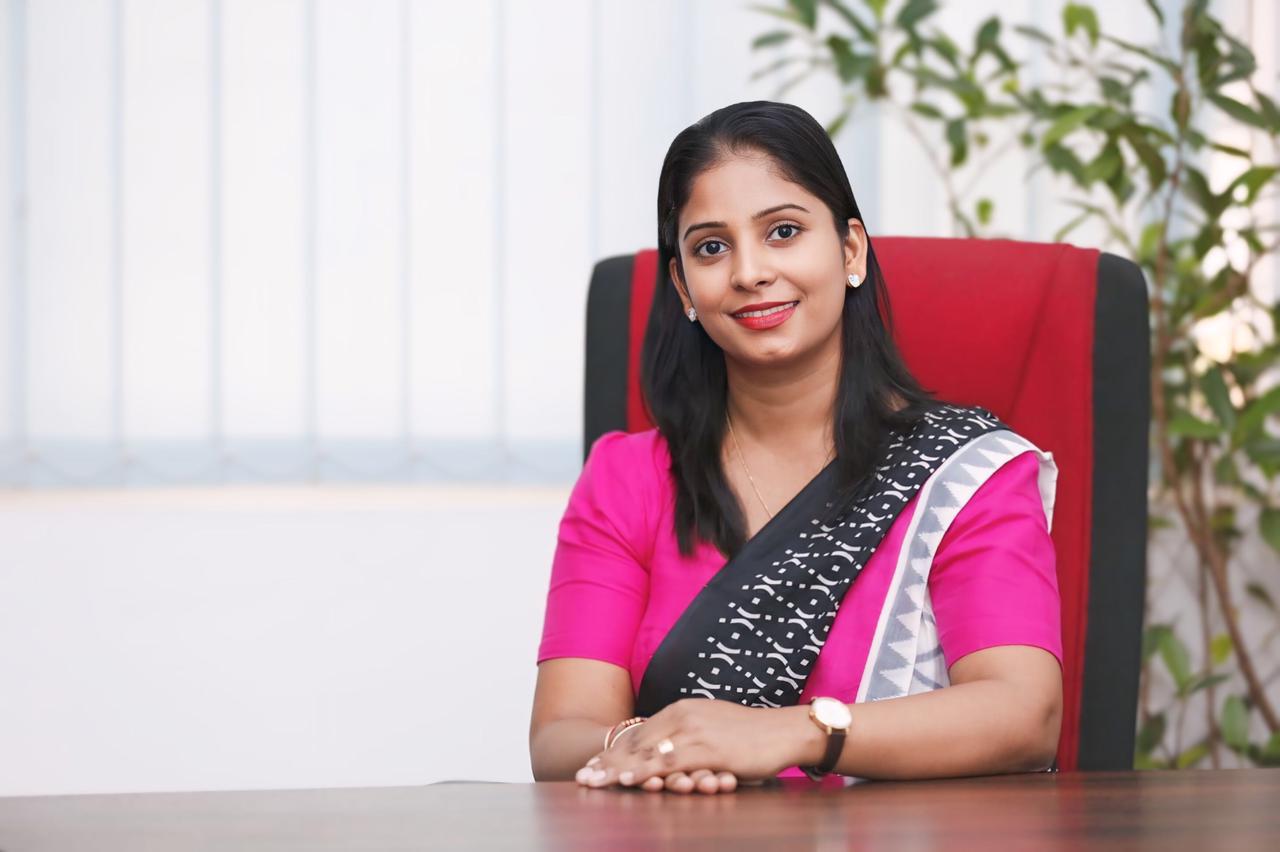
Ms. H.M. Oshadhi Vindya Herath
Senior Lecturer in Peace and Conflict Resolution, Department of Philosophy
🏛️ Faculty of Social Sciences, University of Kelaniya, Sri Lanka
Quick Overview
"Truth never damages a cause that is just."
— Mahatma Gandhi on Satya & Justice"Truth Commissions, Transitional Justice, and Community Reconciliation in Post-War Contexts"
Presentation Overview & Abstract
Analyzing comparative models of transitional justice, truth commissions, and post-war reconciliation with specific reference to Sri Lanka's Lessons Learnt and Reconciliation Commission (LLRC) and South Africa's Truth and Reconciliation Commission (TRC). The presentation highlights the psychological, religious, and cultural dimensions of building sustainable social cohesion.
About Ms. H.M. Oshadhi Vindya Herath
Ms. H.M. Oshadhi Vindya Herath is a Senior Lecturer in Peace and Conflict Resolution attached to the Department of Philosophy, University of Kelaniya and a peace-building scholar specializing in Peace Building, Conflict Resolution, reconciliation, transitional justice, social cohesion, and post-conflict peacebuilding.
Her academic work is grounded in Sri Lankan and comparative post-war contexts, with particular emphasis on truth commissions, the Lessons Learnt and Reconciliation Commission (LLRC), South Africa’s Truth and Reconciliation Commission (TRC), religious and cultural dimensions of peacebuilding, conflict transformation, political violence, peace education, and community reconciliation.
She has taught extensively at the university level in Peace and Conflict Resolution, theories of war, negotiation and peacebuilding skills, psychology of violence, research methods, and workplace communication.
Her professional background includes private and public-sector peacebuilding practice, notably at the Office for National Unity and Reconciliation (ONUR), where she contributed as a Member of the Board to reconciliation initiatives, project coordination, research, proposal preparation, and programme leadership. Her scholarly profile includes authored books, journal articles, conference proceedings, national and international conference presentations, editorial work, research supervision, review-panel service, and media engagement.