 Kazakhstan
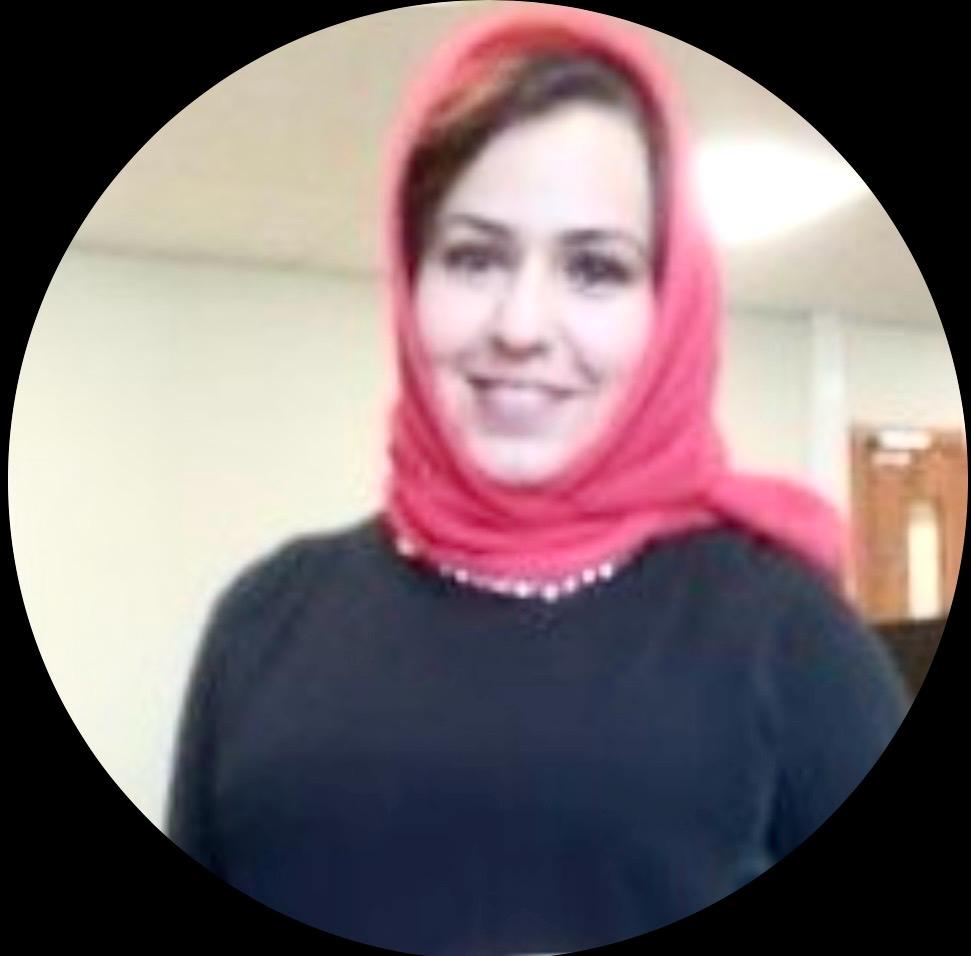
Prof. Dr. Zainab Waheed Dahham
Professor of International Law and International Relations
🏛️ Kazakh Ablai Khan University of International Relations and World Languages, Kazakhstan
Quick Overview
"Non-violence is the greatest force at the disposal of mankind. It is mightier than the mightiest weapon of destruction devised by the ingenuity of man."
— Mahatma Gandhi on Nonviolence & Global Peace"Gandhi and the Failure to Prevent War: Reimagining International Law and Global Peace in the Twenty-First Century"
Presentation Overview & Abstract
More than eighty years after the establishment of the United Nations, the international legal order possesses an extensive architecture for maintaining peace: the prohibition of the use of force, collective security, peaceful settlement of disputes, international adjudication, diplomacy, and mediation. Yet the persistence of armed conflicts reveals a fundamental paradox: international law has developed sophisticated mechanisms for regulating war and responding to conflict, but remains considerably less successful in preventing political conflict from becoming war in the first place. This paper revisits Mahatma Gandhi's philosophy of nonviolence as a contemporary response to this unresolved problem. Moving beyond the treatment of Ahimsa and Satyagraha solely as moral principles or historical methods of political resistance, it asks whether Gandhian thought can illuminate a neglected dimension of international law: preventing and transforming conflict before coercion and violence become the dominant instruments of international politics. The paper advances an original Gandhian Preventive Peace Framework (GPPF) that brings Gandhian principles into dialogue with international law and contemporary conflict-resolution theory. The framework is built around four interconnected principles: nonviolent prevention before coercive response; truth and dialogue before political escalation; restraint in the exercise of sovereign power; and the restoration of human agency and moral responsibility within international decision-making. The paper does not argue that Gandhian philosophy should replace the United Nations Charter or the existing international legal system. Rather, it argues that Gandhi exposes a structural weakness within that system: peace is too often approached as a legal response to violence rather than as a process that must begin before violence occurs. It therefore proposes a shift from a predominantly reactive conception of international peace towards a preventive culture of peace, in which law, diplomacy, political restraint, dialogue, and nonviolent methods operate before disputes cross the threshold into armed confrontation.
About Prof. Dr. Zainab Waheed Dahham
Prof. Dr. Zainab Waheed Dahham is a Professor of International Law and International Relations at Kazakh Ablai Khan University of International Relations and World Languages, Kazakhstan, with international academic and teaching engagements at Dublin City University, Ireland, and the University of South Wales, United Kingdom. She holds a PhD in Law from the University of Huddersfield, United Kingdom.
Her academic and research expertise spans international law, international relations, global governance, international peace and security, human rights, sovereignty, legal ethics, and the changing international order. Alongside teaching and research, she contributes to international scholarly publishing through editorial, reviewing, and academic service roles with international academic journals.
Prof. Dahham has received national and international recognition for her academic, educational, and human-rights contributions. She has received official recognition from the Prime Minister of Iraq, alongside other honours associated with her academic and international engagement. Her work in human rights has also received international recognition, including being named Best Human Rights Defender by an International Organization of Human rights in Washington, D.C.
Her professional journey and achievements have additionally received international media recognition. An African international magazine selected Prof. Dahham for its cover and published a dedicated feature on her success story and academic achievements.
Prof. Dahham is also the Founder and Director of the Global Youth Leadership Encyclopedia (GYLE), a 22-volume global curriculum developed in five languages: English, Arabic, Russian, Kazakh, and French. Its first volume has been adopted as an educational curriculum in institutions across several European countries, Australia, Ireland, Kazakhstan, and Indonesia. The wider initiative is envisioned as a gateway to transforming curricula in the fields of leadership and political science through a genuinely global educational approach.
She has also been nominated for a distinguished university award in recognition of her contribution to curriculum development and the creation of this global educational initiative.